Heating Methods
Choosing a heating method is not simply about "making things hot" — it is a strategic trade-off between energy conversion efficiency and process precision.
1. Three Fundamental Heating Mechanisms
Conduction: Heat is transferred through direct physical contact between objects, as in electric irons or hot presses. On non-contact, high-throughput production lines, physical contact limits production speed and increases the risk of surface damage.
Convection: Heat is transferred through a circulating medium (typically air), as in high-temperature ovens. Suitable for enclosed spaces, but thermal inertia is high, startup and cool-down are slow, and significant energy is lost during air-based transfer.
Radiation: Infrared is an electromagnetic wave that travels in straight lines and requires no medium. In open spaces, it projects precisely onto the target like light, avoiding the energy waste caused by heating the surrounding air.
2. Why Choose Infrared Lamps?
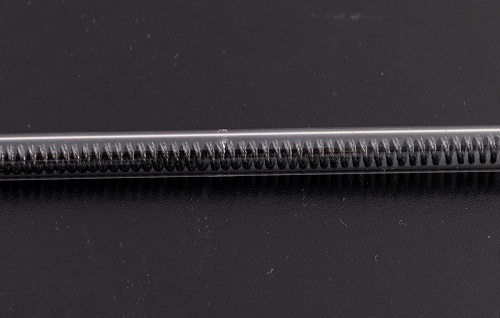
Conventional black-body tubes or metal electric heating elements are slow to heat and slow to cool. Infrared lamps deliver full thermal radiation output to the workpiece within 1–2 seconds of startup, and cool down rapidly upon shutdown, effectively preventing material overheating and burn damage caused by equipment stoppage. Wavelengths can be customized based on the material's absorption spectrum, directing thermal energy directly into the material core.
3. Our Core Services
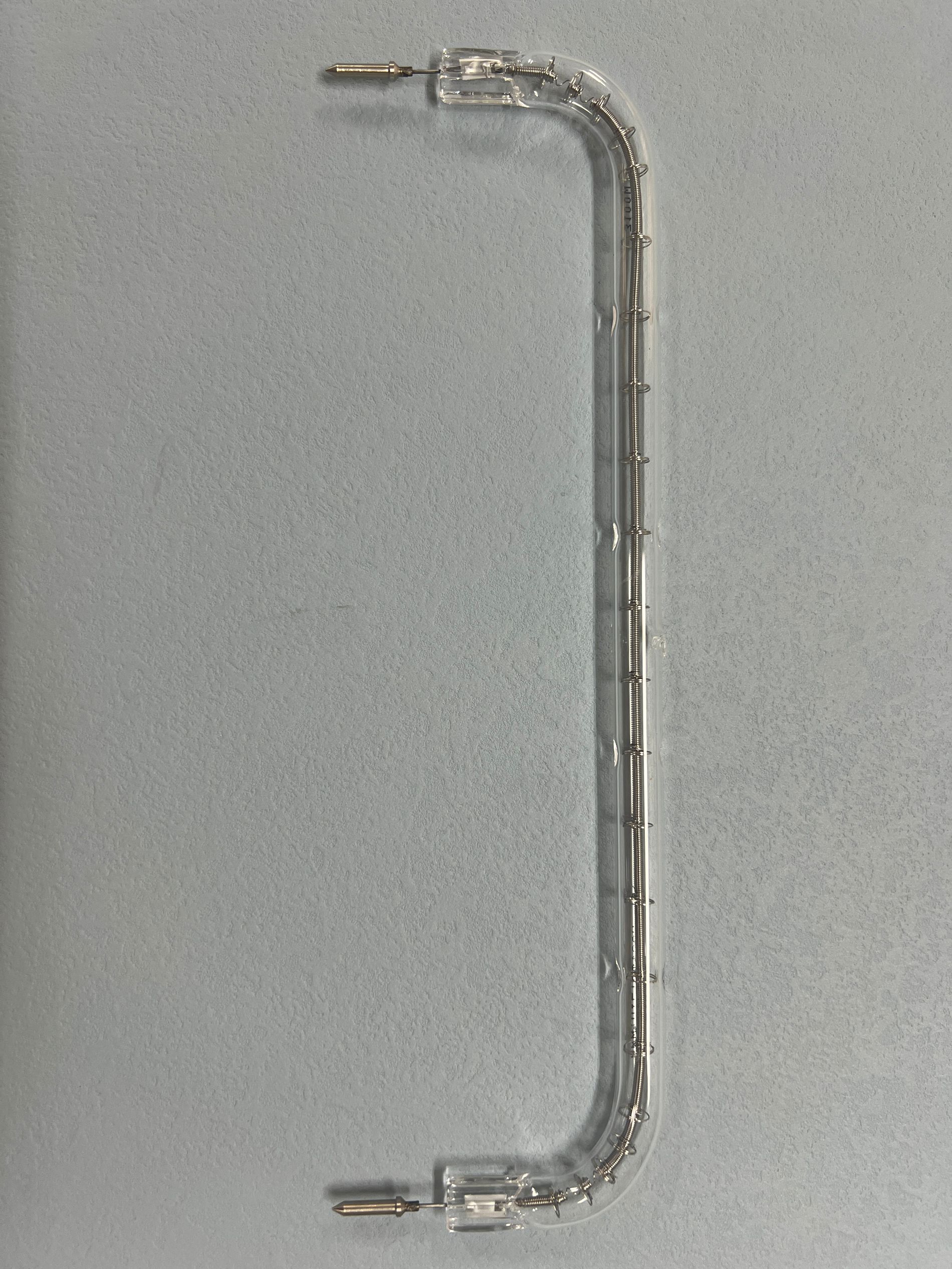
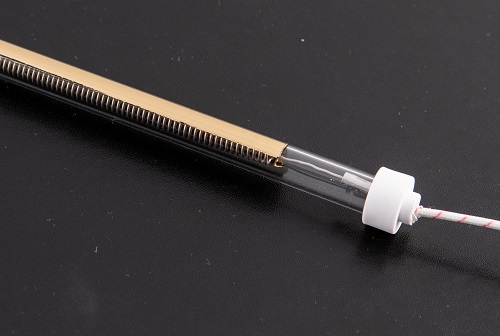
Precision Wavelength Matching Tests: Spectral analysis of the heated material to recommend the most suitable lamp type. Heating Module Custom Design: Gold-plated reflector lamps for open-space applications; twin-tube, U-type, or other special-shaped lamps for unique configurations. System Integration & Energy-Saving Diagnostics: Assistance in converting conventional energy-intensive ovens to infrared radiation furnaces, reducing power consumption by 20–40%.