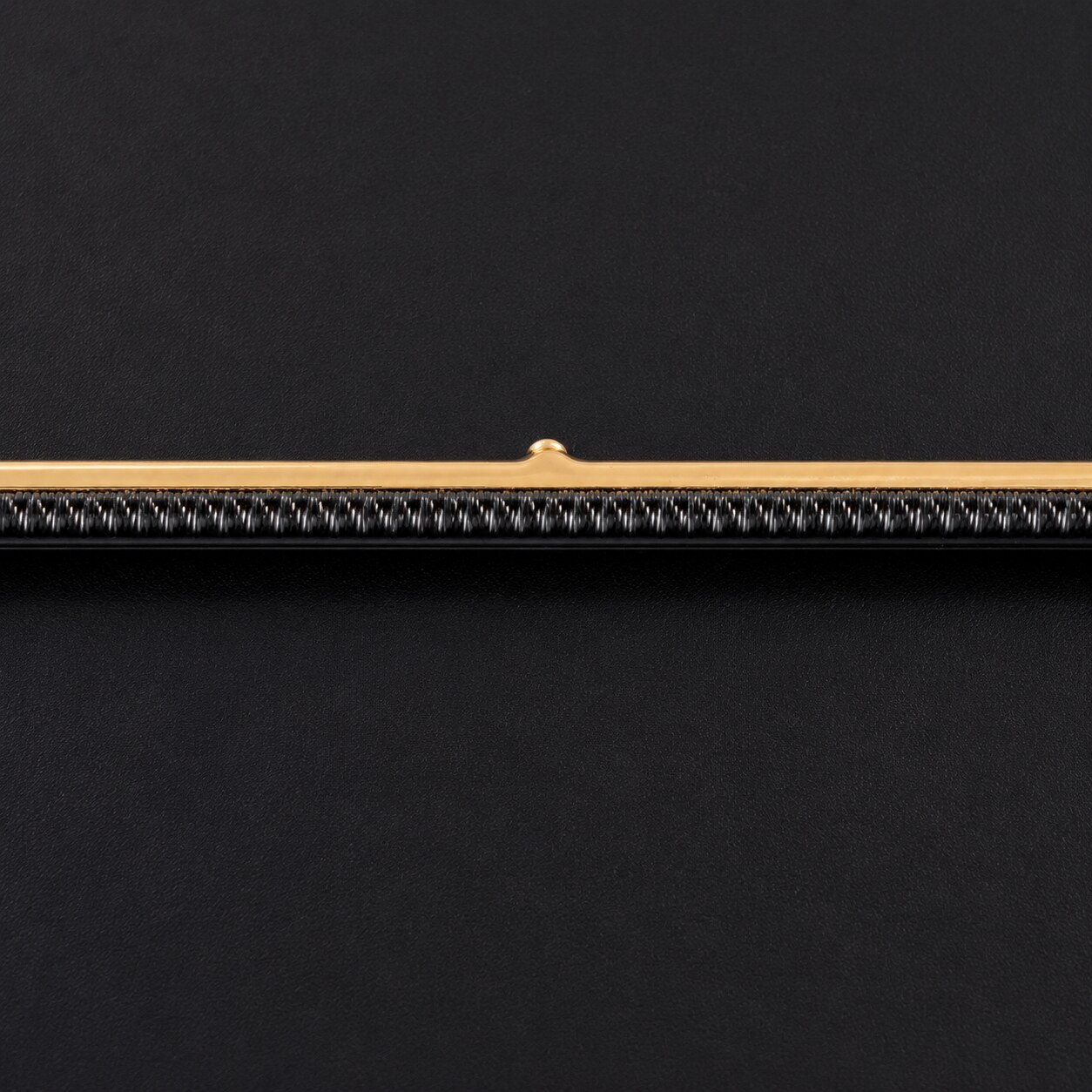
Gold Plating Temperature Limit Test Analysis
In infrared heating lamp applications, the gold-plated layer plays the critical role of a "thermal energy mirror." When we conduct ramp-up tests from 400 degrees C to 700 degrees C, the gold layer undergoes complex physical and chemical transformations.
Temperature vs. Gold Plating Response Stages: 400 degrees C — Stable state, reflectivity maintained above 95%. 500 degrees C — Stress accumulation phase, thermal stress begins developing at the microscopic level. 600 degrees C — Diffusion onset point, gold atoms begin diffusion reactions with the underlying adhesion layer. 700 degrees C — Collapse and disappearance point, thermal agglomeration and diffusion cause the gold layer to lose its reflective function.
Why does the gold layer "disappear"? Although pure gold has a melting point of 1064 degrees C, the gold plating layer disappears at approximately 700 degrees C for three primary reasons:
1. Thermal Agglomeration: The gold plating is an extremely thin film. At high temperatures, gold atoms coalesce from a smooth film into microscopic gold spheres, rendering the formerly reflective surface transparent.
2. Atomic Diffusion and Substrate Degradation: Atoms from the transitional metal substrate diffuse into the gold layer, react with oxygen to oxidize, causing the gold layer to lose adhesion.
3. Quartz Glass Interaction: At extremely high temperatures, microstructural changes on the quartz glass surface affect the adhesion stability of the gold layer.
Impact on Equipment Management: Loss of the gold layer leads to thermal runaway, equipment overheating, and the pinch seal area exceeding the 350 degrees C critical threshold. If your process requires surface temperatures reaching 700 degrees C, we recommend switching to a ceramic white coating, which has a temperature endurance limit exceeding 1000 degrees C.
Previous
Clear Tube, Gold-Plated & Ceramic Reflective Coating Test Analysis
Next
IR Lamp Lifespan Guide