Pinch Seal Lifespan & Temperature
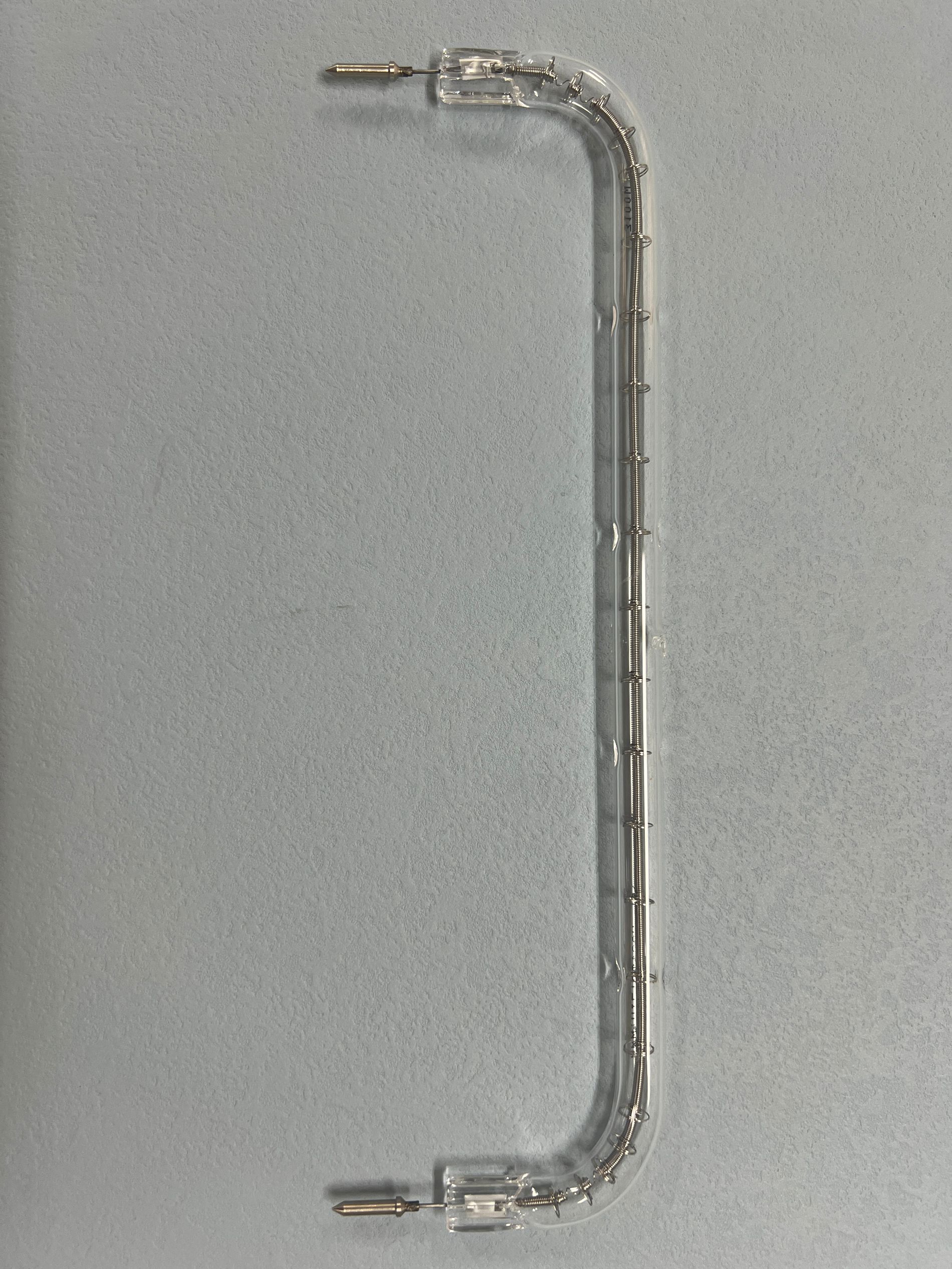
Within the construction of an infrared heating lamp, there is one component that is the least conspicuous yet the most critical — the pinch seal.
1. The Critical 350 Degrees C Threshold
Although the filament inside the lamp can generate temperatures exceeding a thousand degrees, the pinch seal areas at both ends of the lamp are extremely heat-sensitive. The thermal endurance limit of this zone is 350 degrees C. Once this temperature is exceeded, the tightly bonded structure begins to develop physical degradation.
2. The "Mismatch" Between Molybdenum Foil and Glass
At the core of pinch seal technology is an extremely thin piece of molybdenum foil that serves as a bridge for electrical current while ensuring a complete seal of the glass tube. Metal and glass have different coefficients of thermal expansion. When temperatures are too high, the molybdenum foil overheats and expands excessively, forcing the sealed glass apart and allowing air to slowly permeate inward — a phenomenon known as slow vacuum leakage. Once the vacuum environment is compromised, the lamp's remaining lifespan enters a countdown.
3. Three Key Variables Affecting Lifespan
Power and Current: Higher power means higher current. The Joule heating generated as current flows through the molybdenum foil is the most direct heat source for the pinch seal area. Distance Balance: The closer the filament is to the pinch seal, the faster heat is conducted. Well-designed lamps precisely calculate a "safety distance." Ambient Temperature Threat: Poor ventilation or excessively high ambient temperatures prevent the pinch seal from dissipating heat effectively, leading to glass fracture from thermal stress.
Pursuing temperature stability is the path to true cost savings. Remember: "Avoid inrush surges, maintain pinch seal temperature." As long as these two critical variables are controlled, infrared heating equipment will deliver the long-lasting, stable performance it is designed to provide.