Understanding Inrush Current
At the very instant electrical equipment is energized, a "micro-storm" capable of shaking the power system occurs — this is inrush current.
1. Why Does the Current "Surge"?
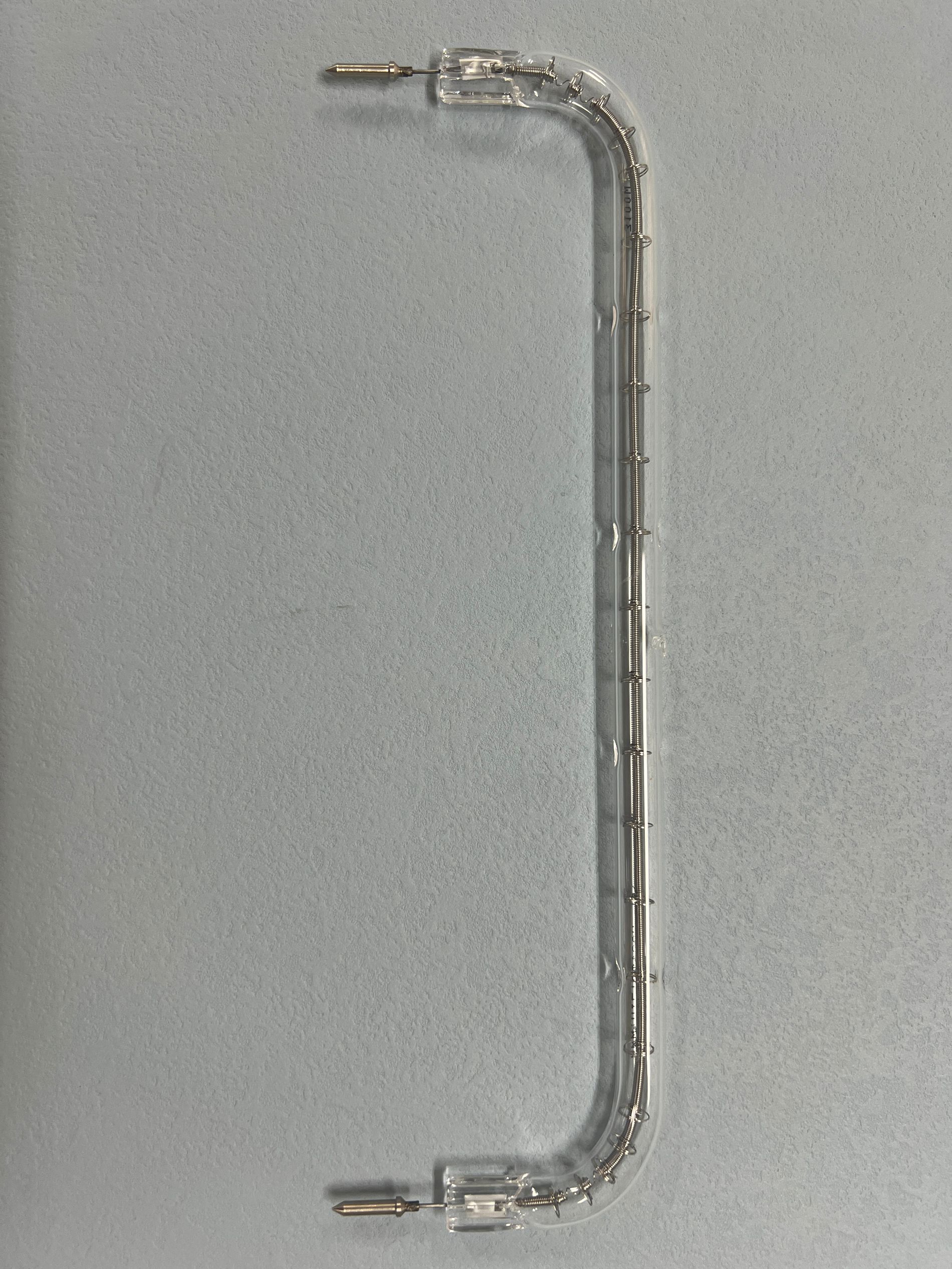
The moment equipment starts up, its internal physical characteristics force the power grid to supply current several times — or even ten or more times — higher than normal within an extremely short period (typically under one second). Infrared heating lamps are a prime source of this phenomenon: when the lamp is in its cold state, the internal metal filament has extremely low resistance, and electrical current floods in unimpeded at the instant of energization. As the lamp rapidly heats up, resistance increases, and the current returns to its steady-state level.
2. When Inrush Current Becomes a Threat
Equipment Damage: The extreme current generates enormous thermal stress, causing heating lamps or electronic components to develop fatigue or burn out under repeated impact. Grid Disturbance: High-power equipment draws massive instantaneous current at startup, causing brief voltage drops across the grid. Breaker Trips: Circuit breakers may misinterpret the surge as a short circuit and trip automatically.
3. Taming the Surge: Soft-Start Devices
A soft-start device uses precision circuit control to gradually ramp up voltage like a "slope": Progressive energization allows the lamp to gently warm from a low-heat state to its operating temperature. Peak shaving smooths the current spike into a gentle curve. The equipment no longer endures a "cardiac shock" at every startup, significantly extending service life.
In infrared heating lamp systems, a soft-start device serves as a sturdy seawall, quietly transforming the tidal surge into a gentle stream, safeguarding the safety and stability of the equipment.