Clear Tube, Gold-Plated & Ceramic Reflective Coating Test Analysis
The reflective coating material directly determines energy utilization efficiency and operational stability of the equipment. This test analyzes the temperature ramp-up performance at a fixed distance from the illumination surface for clear tubes (no coating), gold-plated reflective coating, and ceramic (alumina) reflective coating.
1. Experimental Design & Specifications
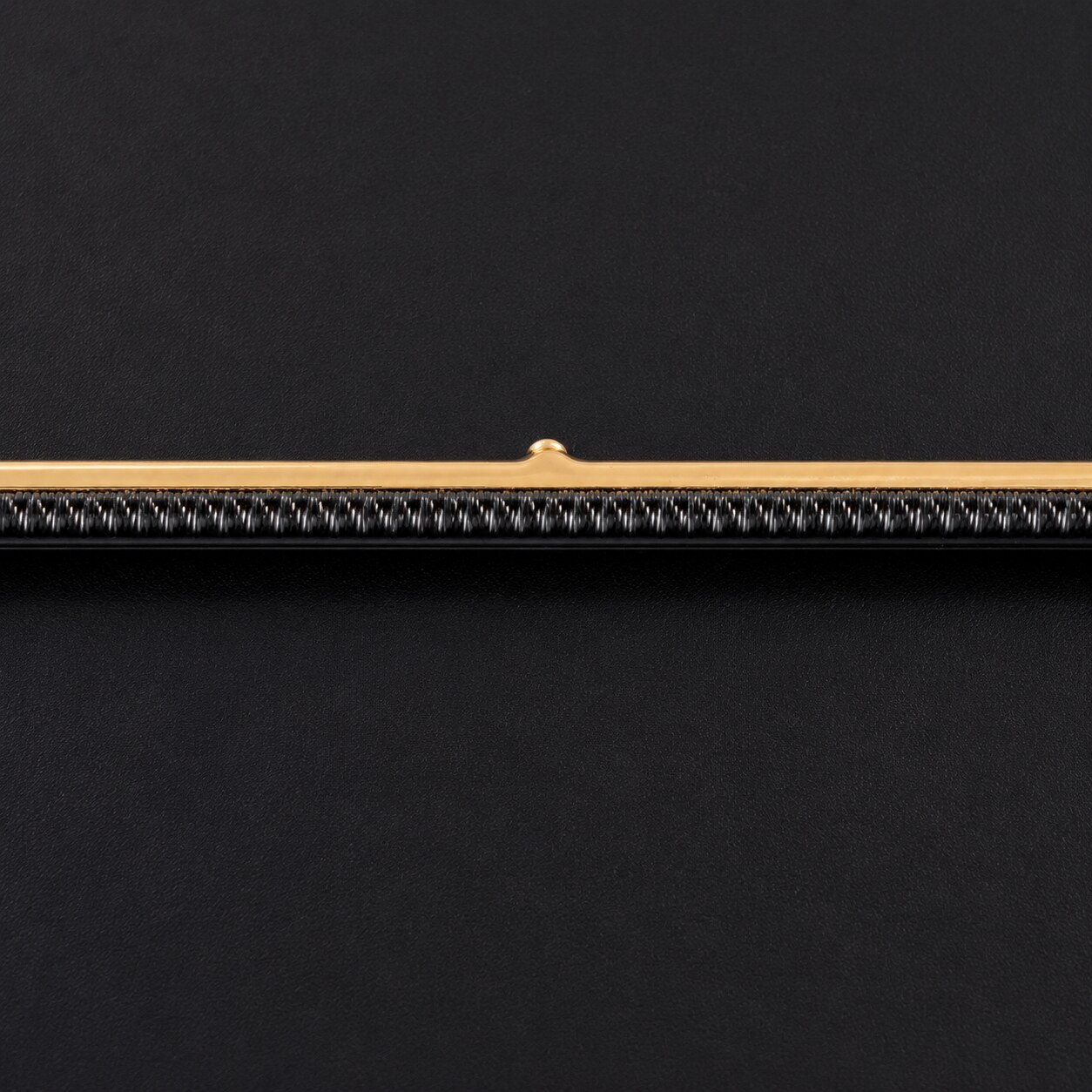
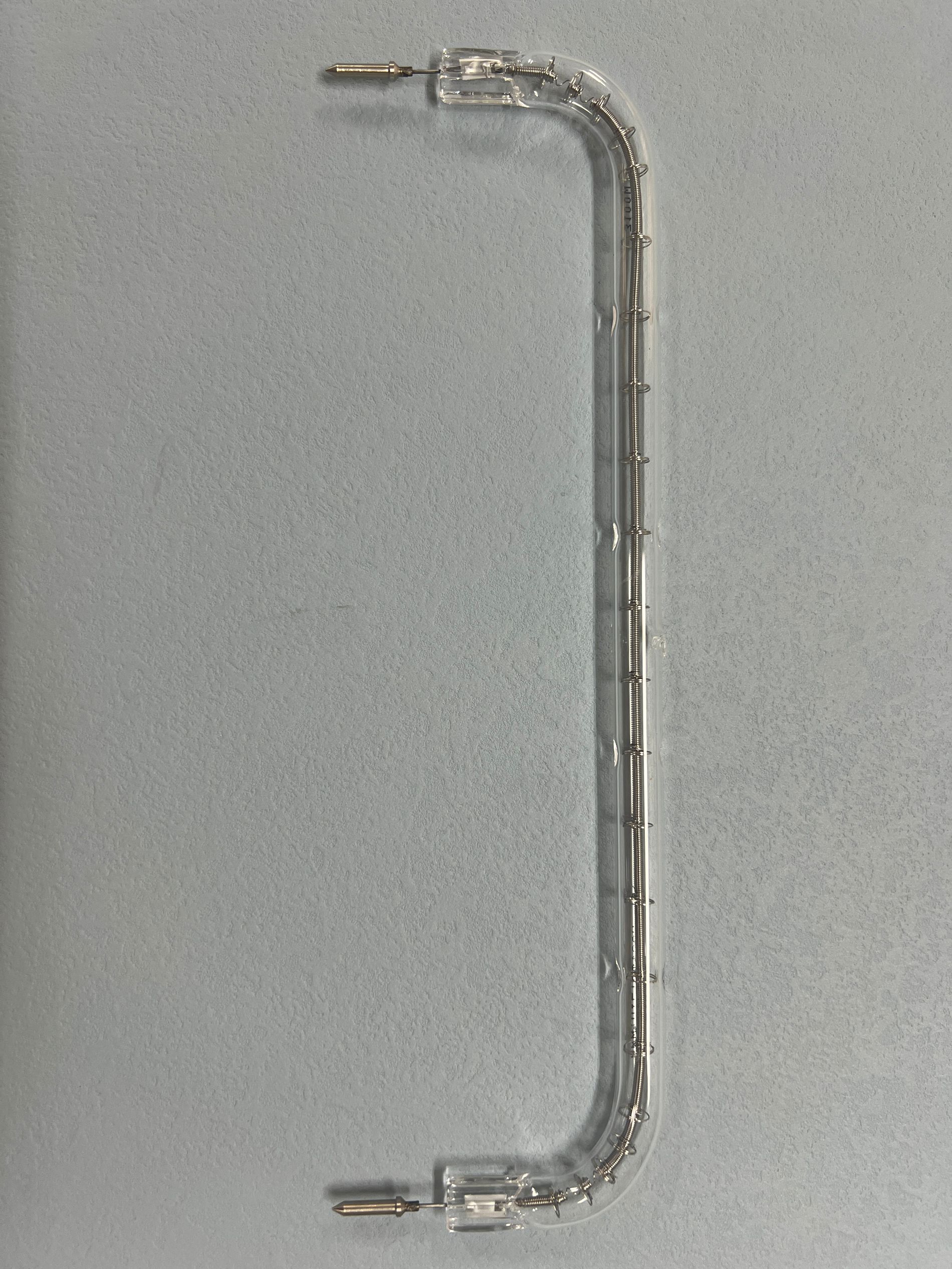
Test Samples: Standard clear quartz tube (control baseline); 180-degree high-purity gold plating (specular reflection); 180-degree alumina ceramic coating (high-temperature diffuse reflection). Measurement Position: 1 cm from the lamp illumination surface. Measurement Index: Temperature ramp-up curve from 0 to 60 seconds after startup.
2. Test Results
Temperature data after 60 seconds: Clear tube approximately 285 degrees C; ceramic coating approximately 455 degrees C; gold plating approximately 580 degrees C. The three specifications exhibited a pronounced stepped difference in ramp-up rate and final equilibrium temperature.
3. Technical Characteristics Analysis
Gold Reflector: Gold achieves over 95% reflectivity in the infrared band, producing the steepest ramp-up curve. The limitation is that when the illumination surface temperature approaches 700 degrees C, the gold layer undergoes thermal agglomeration and fails.
Ceramic Reflector: Alumina ceramic provides approximately 75% diffuse reflectivity with exceptional high-temperature endurance (>1000 degrees C). Its scattering characteristics produce a more uniform thermal field distribution.
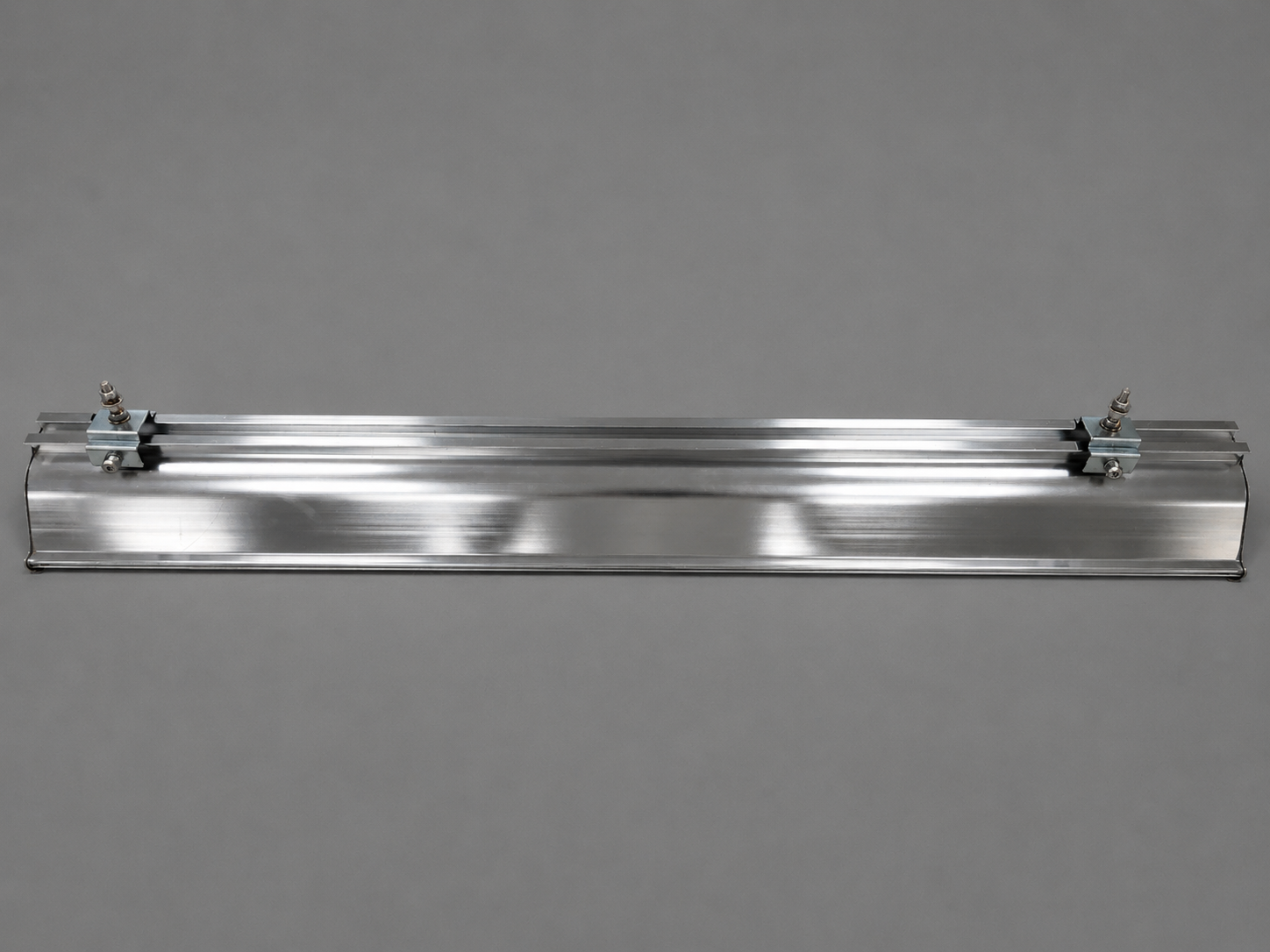
Clear Tube: Energy disperses across a full 360-degree arc with no directional reflection. Without an external reflector housing, significant electrical energy is wasted.
4. Professional Conclusions
For medium-to-low temperature, high-efficiency processes (<600 degrees C): Gold-plated reflective coating is the preferred choice. For extreme high-temperature processes (>700 degrees C): Ceramic reflective coating must be used. Regardless of the coating selected, a soft-start device should be employed and the pinch seal area temperature must be kept below 350 degrees C.
Previous
IR Lamp Color Temperature & Wavelength Reference
Next
Gold Plating Temperature Limit Test Analysis