IR Heating Characteristics & Applications
As a professional infrared heating lamps manufacturer, we understand that in modern industrial processes, the efficiency of thermal energy management directly determines product yield and operational costs. Infrared heating technology is not merely about generating heat — it is a high-precision, high-purity, energy-benchmarked thermal transfer solution.
1. IR Heating: Precision Thermal Management for Modern Industry
Compared with conventional convection or conduction heating, infrared heating represents a "speed-of-light" thermal response. Its core advantages can be summarized across four key dimensions:
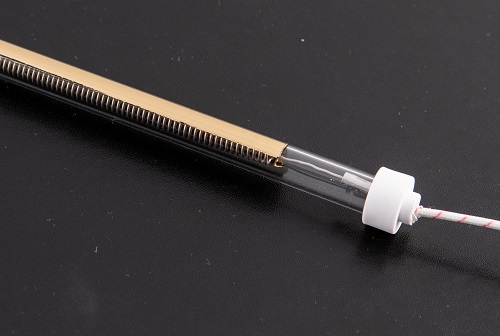
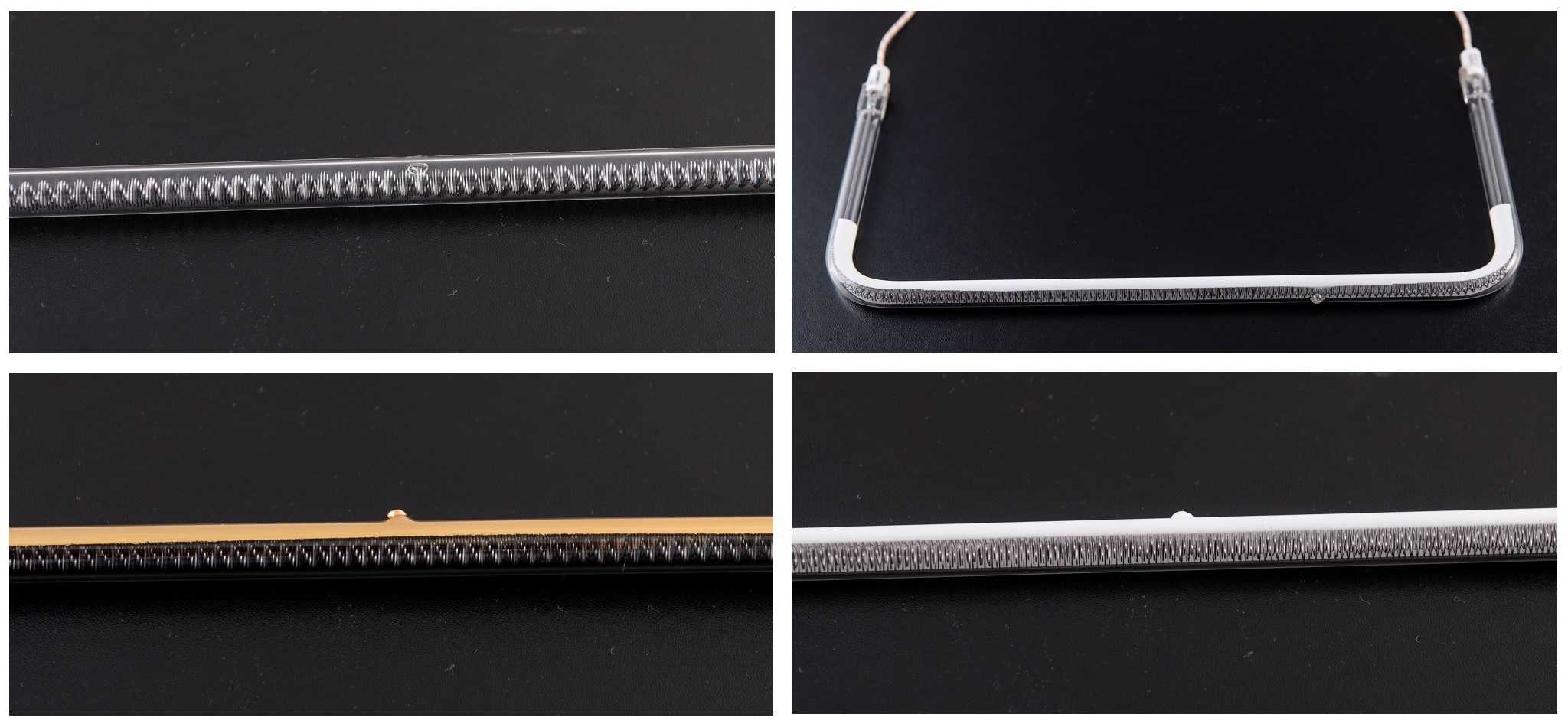
Rapid Response & Energy Savings: Full power output is achieved within 1–2 seconds of startup, with equally fast cool-down after shutdown. Combined with gold-plated or ceramic reflective coatings, over 95% of thermal energy is directionally projected onto the workpiece, dramatically reducing ambient heat loss.
Exceptional Purity & Stability: Non-contact heating elements with no medium transfer and no airflow disturbance eliminate secondary contamination of workpieces, making this the preferred choice for semiconductor and precision coating processes. Installation is straightforward, with dedicated mounting fixtures included for all product lines.
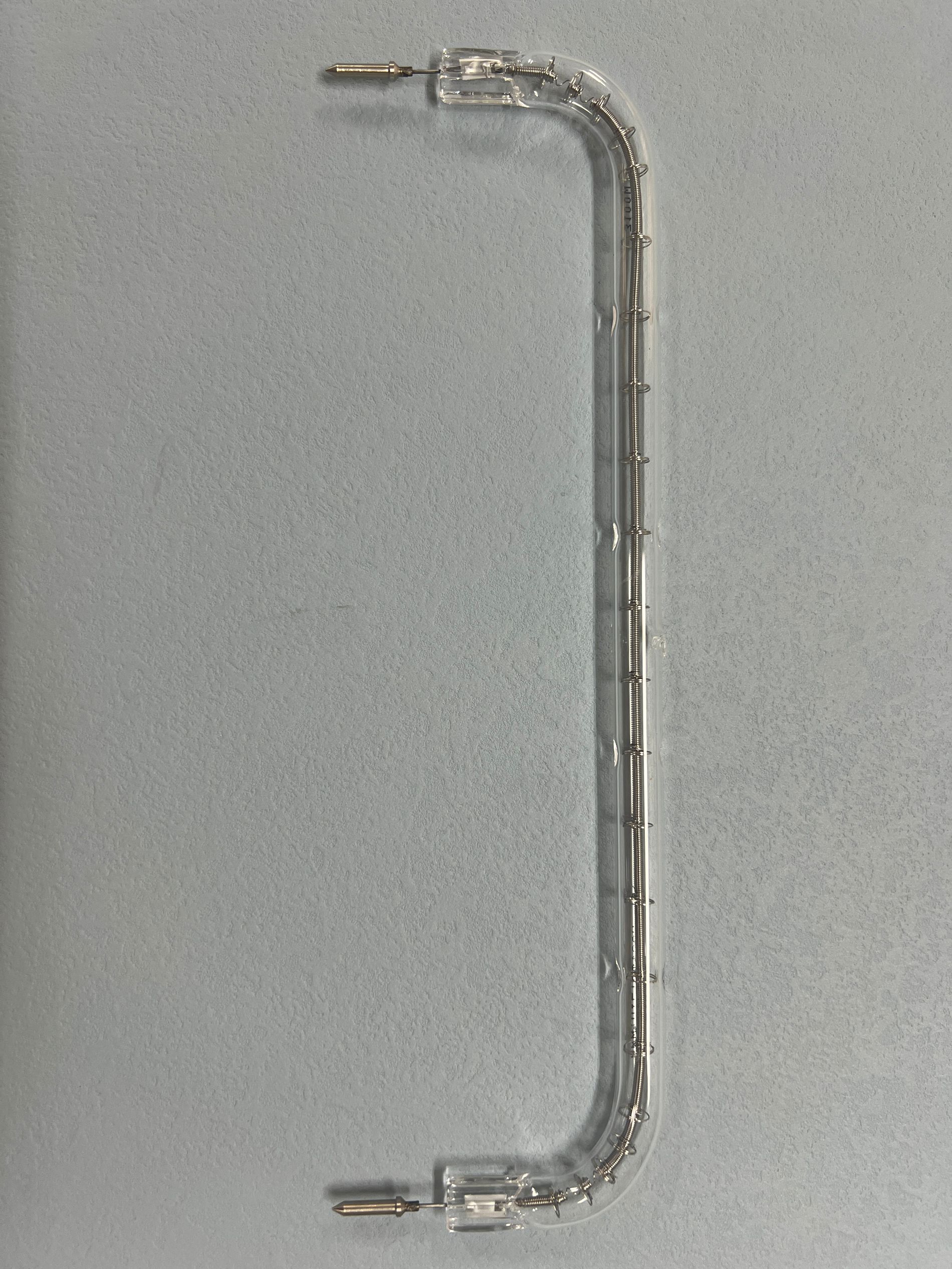
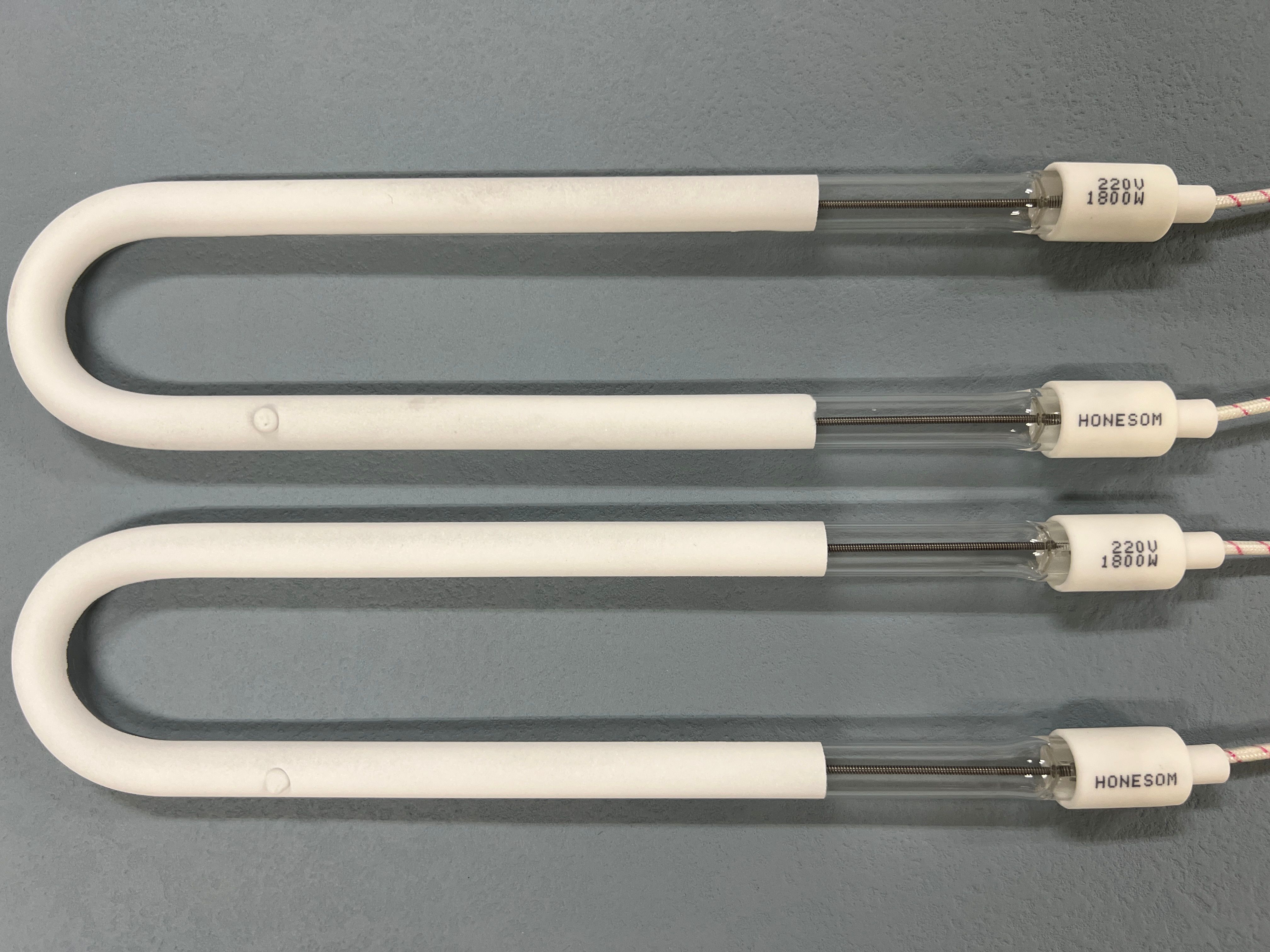
Highly Customizable: Available in a full range of standard wavelength specifications, with custom lengths, voltages, power ratings, and special shapes (U-type, omega-type) produced to order.
2. Core Technology: The Wavelength Matching Principle
The effectiveness of infrared heating depends on absorption matching. Short-wave infrared possesses exceptional penetrating power, passing through most solid material surfaces to reach the core, ensuring simultaneous internal and external heating. Recommended applications include metal heat treatment and silicon wafer processing. Medium-wave infrared energy is primarily absorbed at the material surface and exhibits an exceptionally high coupling rate with water molecules and organic solvents. Recommended applications include paint drying, glass thermoforming, and plastics heating.
3. Industry Applications
Our clients span high-precision manufacturing worldwide, including: Semiconductor/Optoelectronics (rapid thermal annealing, thin-film deposition preheating); Metal Processing (pre-coating treatment, precision component heat-shrink fitting); Plastics & Packaging (preform blow-molding heating, plastic sheet thermoforming); Printing & Textiles (textile print drying, screen-printing curing); Glass & Ceramics (glass bending, surface hardening); Chemical & Environmental (sludge dewatering, solvent evaporation recovery); Automotive Manufacturing (body paint repair, dashboard leather heat-lamination).
We also provide expert services including absorption spectrum testing, thermal uniformity simulation, and system upgrade recommendations. If you have any questions about thermal efficiency optimization, please contact our technical engineering team at any time.